Reading Time: 5 Minutes 17 Seconds
Meet Třeboňsko
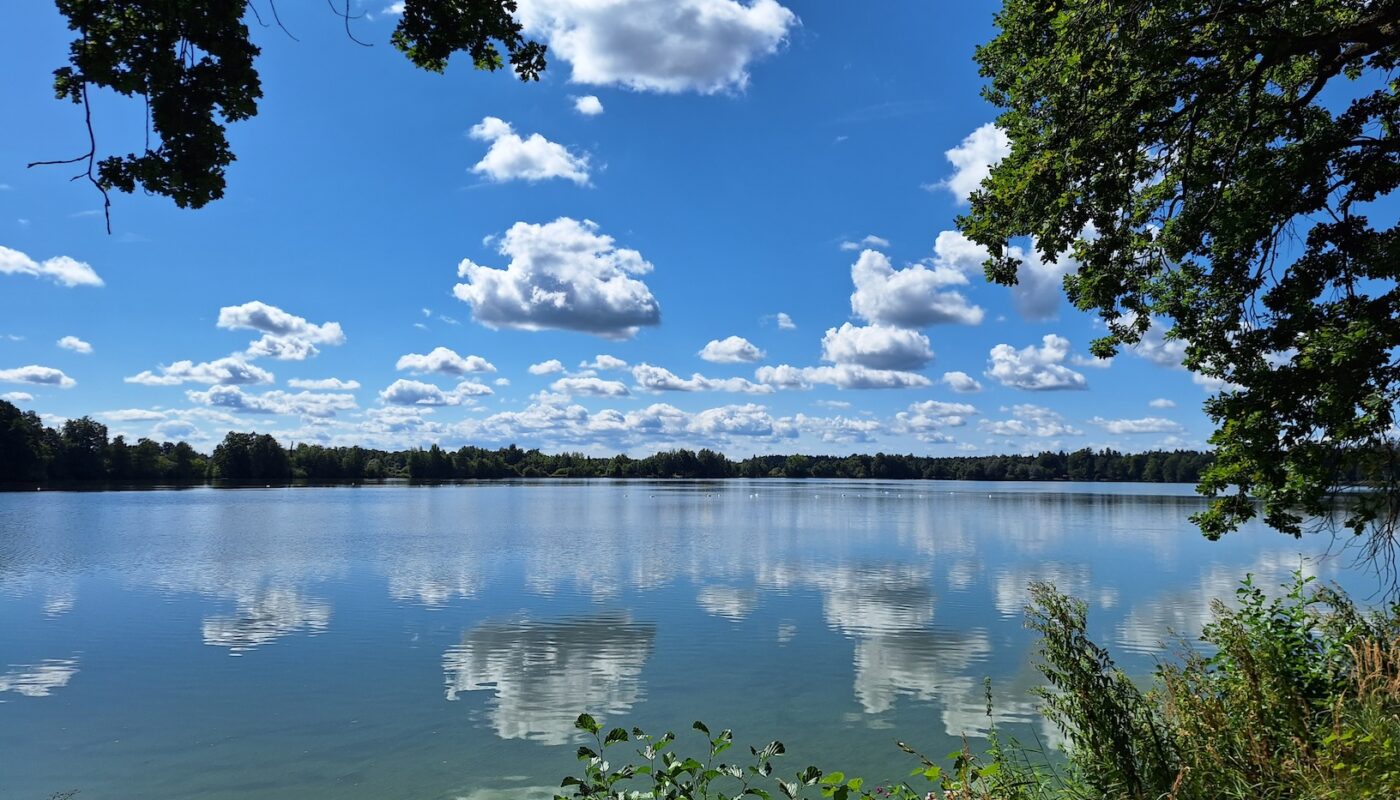
Třeboňsko is a Protected Landscape Area (PLA) in southern Bohemia that includes hundreds of ponds, wetlands, marshes and peat bogs, and was designated a UNESCO Biosphere Reserve in 1977.
The region takes its name from the city of Třeboň, founded in 13th century on a trade route connecting densely populated villages.
The landscape of the Třeboňsko region as we know it today was created by a combination of factors.
The first is geological: this area developed differently from the rest of the Bohemian lands.
Older rocks were flooded by fresh water and buried under thick sediments, and later, the Lužnice river created meanders, channels and ponds filled with peat into that landscape.
The second is human: people transformed the wetlands through agriculture and by developing pond farming.
The third is preservation: this Renaissance-era landscape has been well preserved through the centuries.
Historical info
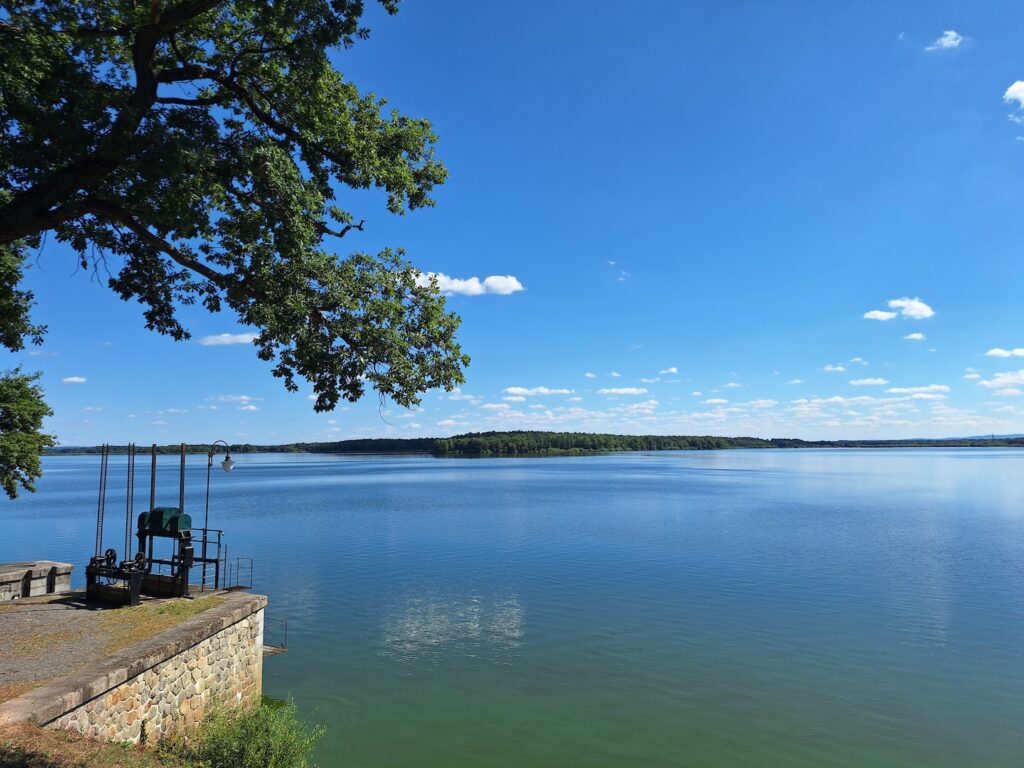
The first ponds were built in the 14th century, but pond construction reached its greatest expansion during the Renaissance in the 16th century under the Rosenberg family, who owned the Třeboň estate.
This period is associated with Josef Štěpánek Netolický, who in 1520 completed the 47km Zlatá stoka (the Golden canal), an artificial canal, to supply water from the Lužnice river to the expanding pond system.
He also built important ponds, such as the Horusický, Káňov and Opatovický, and restored and enlarged existing ones, like Velký Tisý and Záblatský.
His successor, Jakub Krčín, took over the ponds management for the Rosenbergs until 1589.
His most famous works include the Svět and Rožmberk ponds and the 13.5km Nová řeka, created to divert the Lužnice floodwaters into the Nežárka river.
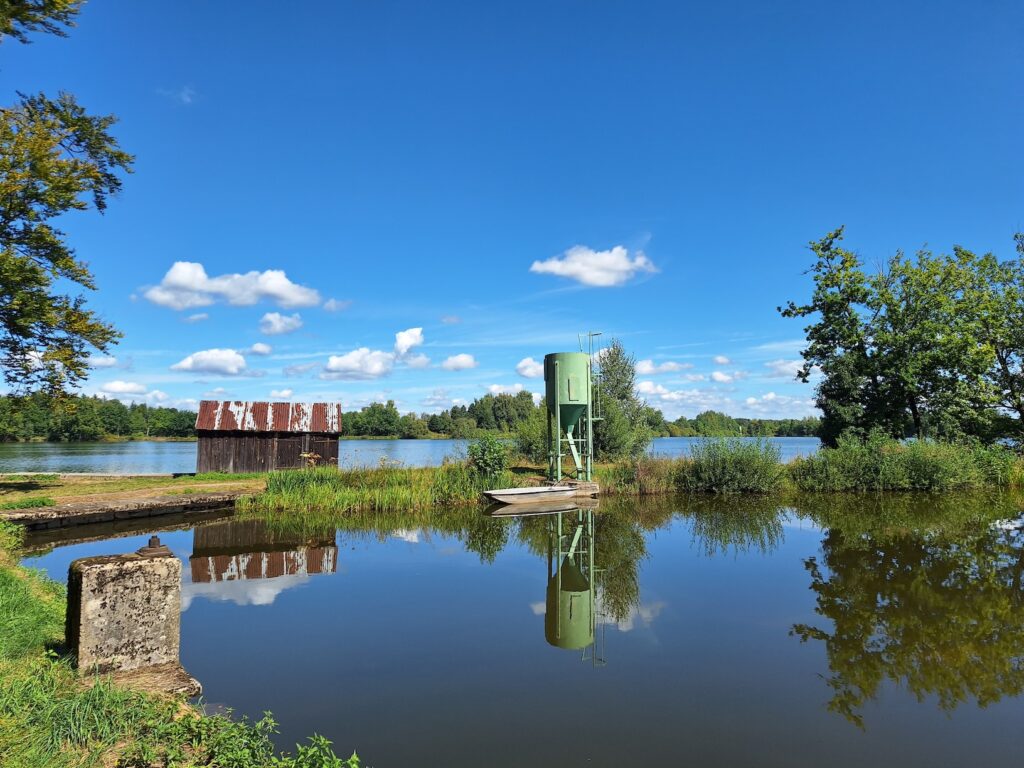
Pond farming became a profitable way to use the Třeboňsko’s peaty and sandy soils, which were otherwise poorly suited for conventional agriculture.
New settlements and farmsteads therefore grew up around mills by the ponds.
During the 18th century, rural life and the landscape were shaped not only by noble estates but also by the church, which built chapels and rectories and transformed medieval churches into Baroque ones.
New state and imperial roads were also built, together with transfer stations and pubs. Villages acquired more granaries, barns and mills, and expanded with cottage colonies.
From the 18th into the 19th century, village chapels, blacksmiths and enclosed agricultural estates became common.
Building construction shifted to brick due to imperial fire regulations, and Baroque and Classicist styles predominated in Třeboňsko region.
From the mid-19th century, after feudalism was abolished and industry developed, urban growth moved to cities, which expanded rapidly.
Třeboňsko region today
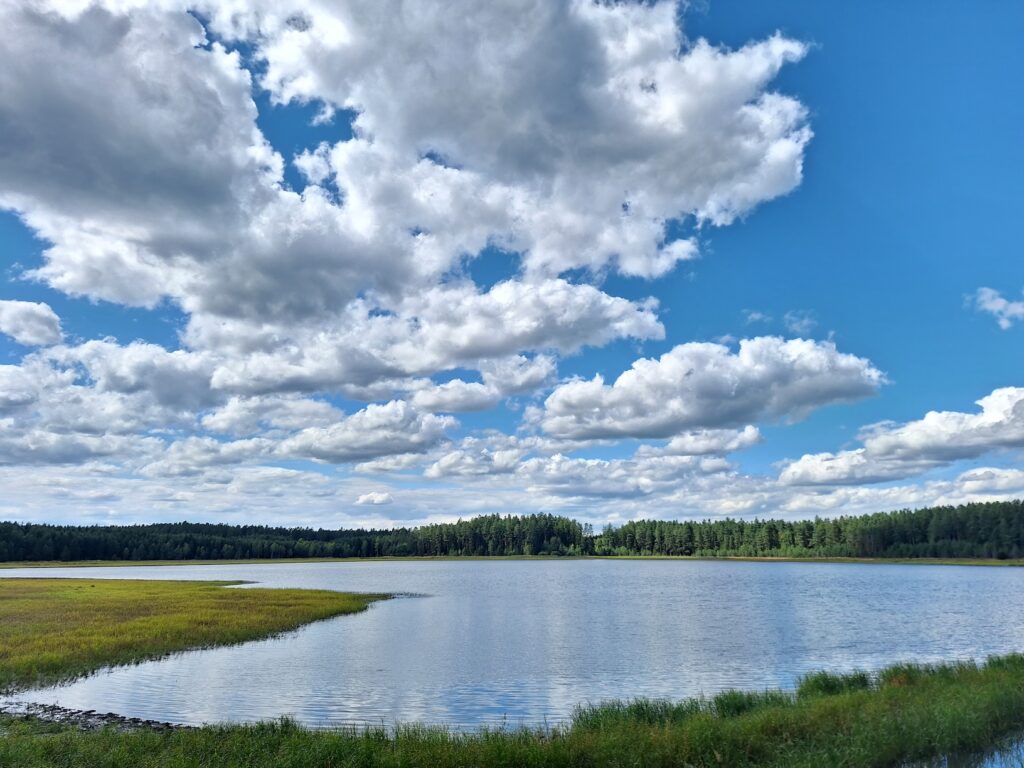
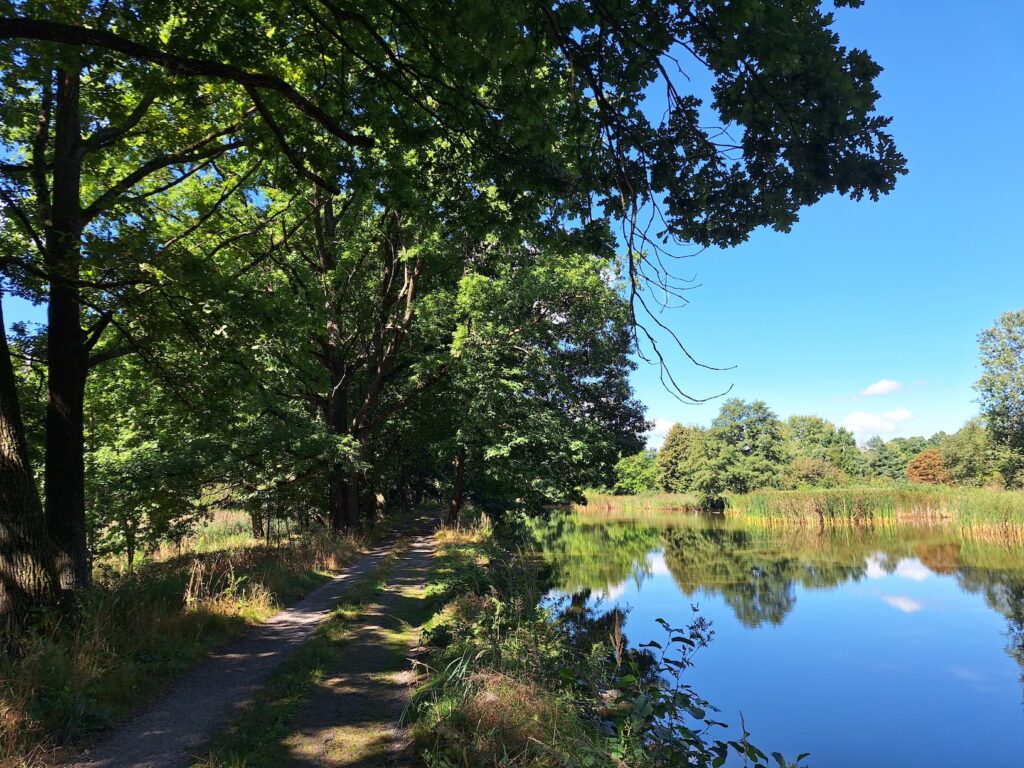
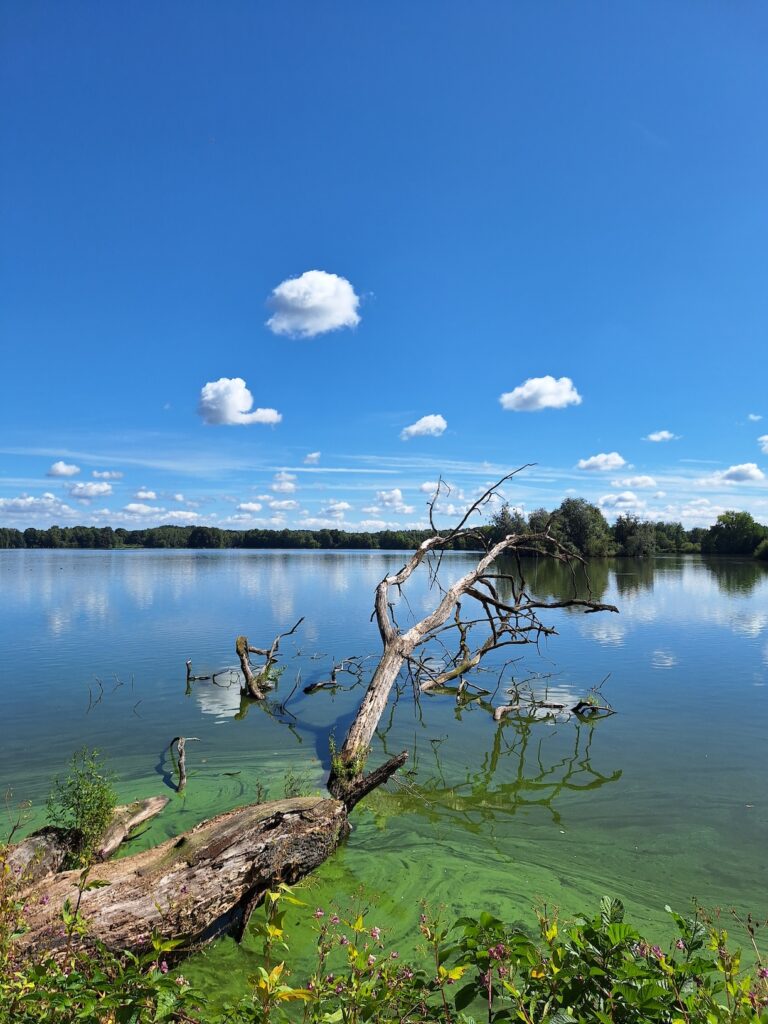
Ponds cover more than 10% of the Třeboňsko landscape and fish farming remains important, especially carp, a Czech favourite.
If you don’t know, fried carp, served with potato salad, is a must in a typical Czech Christmas dinner.
The region also contains several medieval and Renaissance towns and castles, and small villages showcase what is called “Rustic Baroque” or “Folk Baroque” (Selské baroko) architecture.
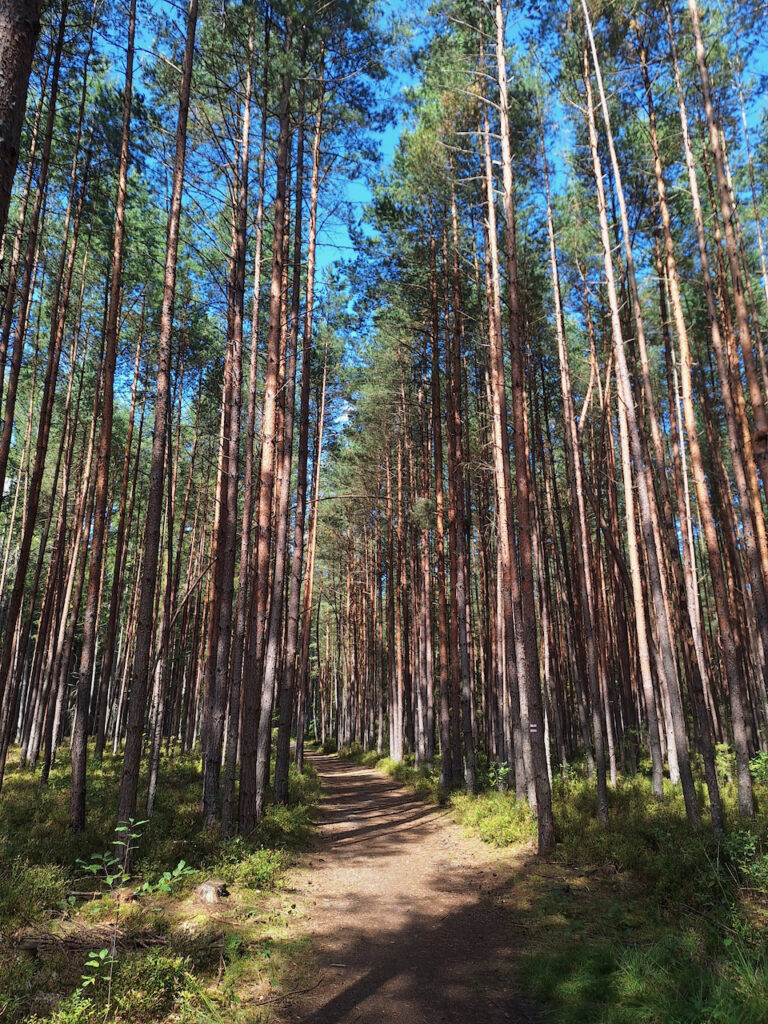
Forests are dominated by conifers such as the Scots pine and the Norway spruce, with smaller percentage of oak, white birch and beech.
Cycling
Because of the flat landscape, numerous cycling trails run along routes that connect the ponds and natural areas to the region’s villages and towns.
You could easily spend an entire week cycling every path and soaking in tranquillity.
We embarked on a 3-day ride that included a detour to peek into Česká Kanada and a crossing into Austria to follow the Iron Curtain trail.
The (slightly modified) loop can be found at this link.
The starting and ending point is Veselí nad Lužnicí, which is 1 hour and a half by train or by car from Prague.
Along the way, we stopped in several towns for meals and water, and to sleep, starting from Jindřichův Hradec, and continuing through Chlum u Třeboně, Nové Hrady, and Třeboň.
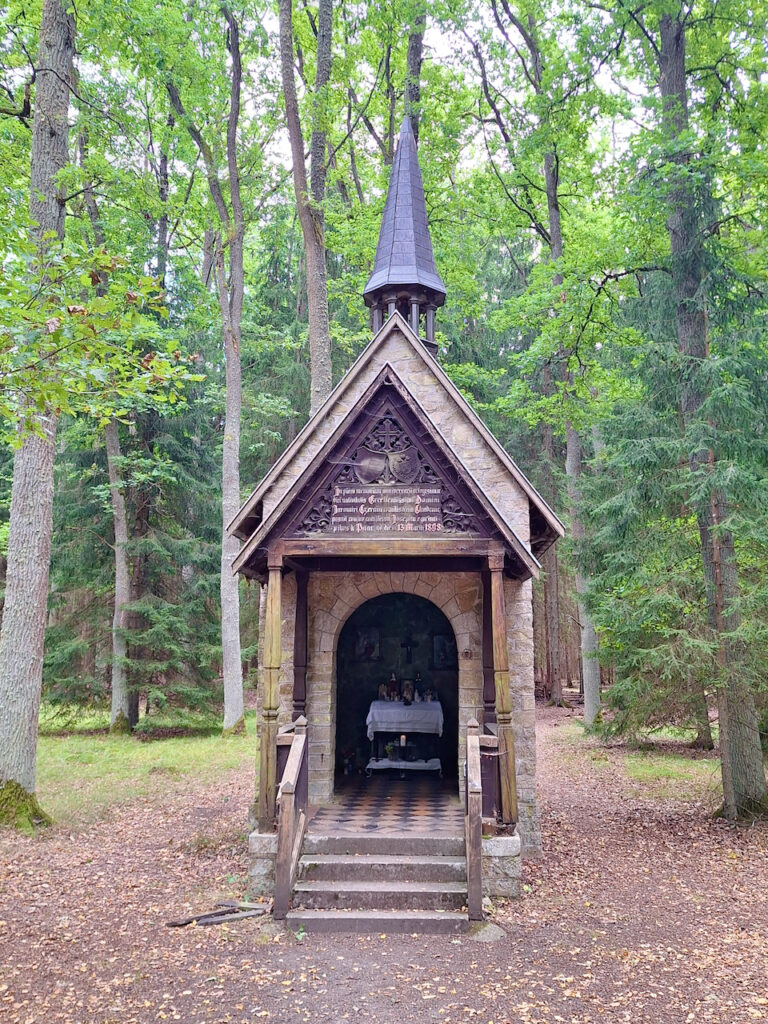
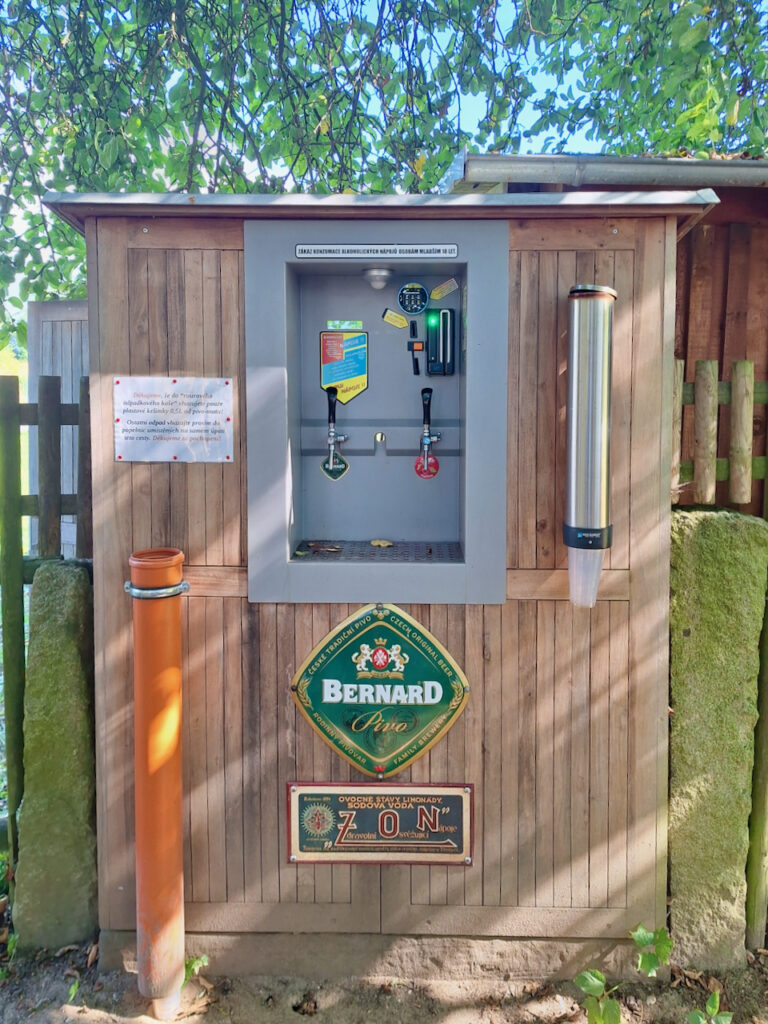
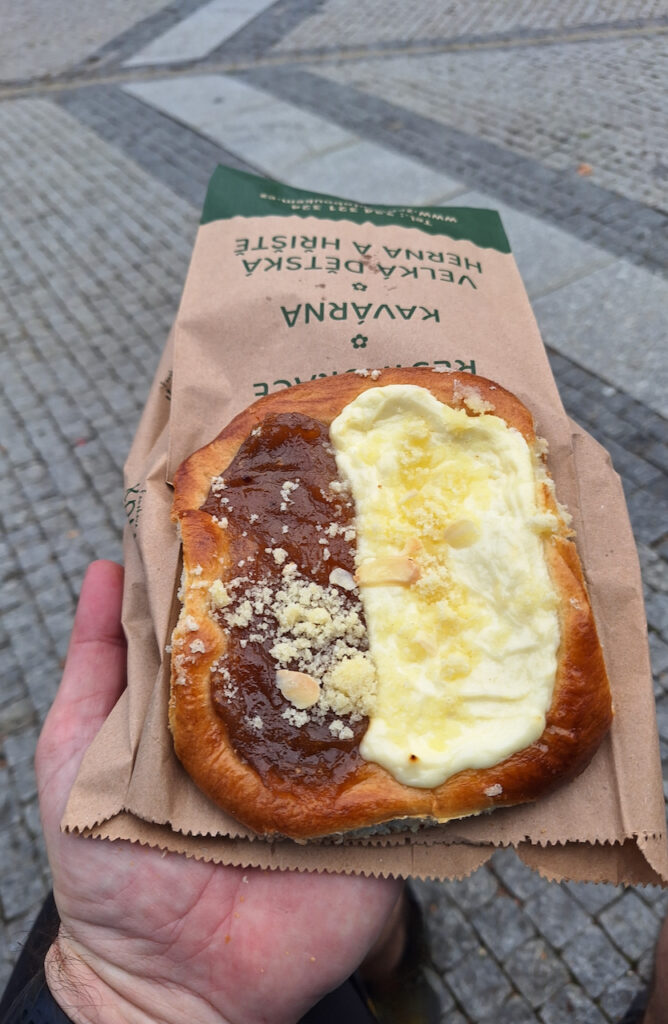
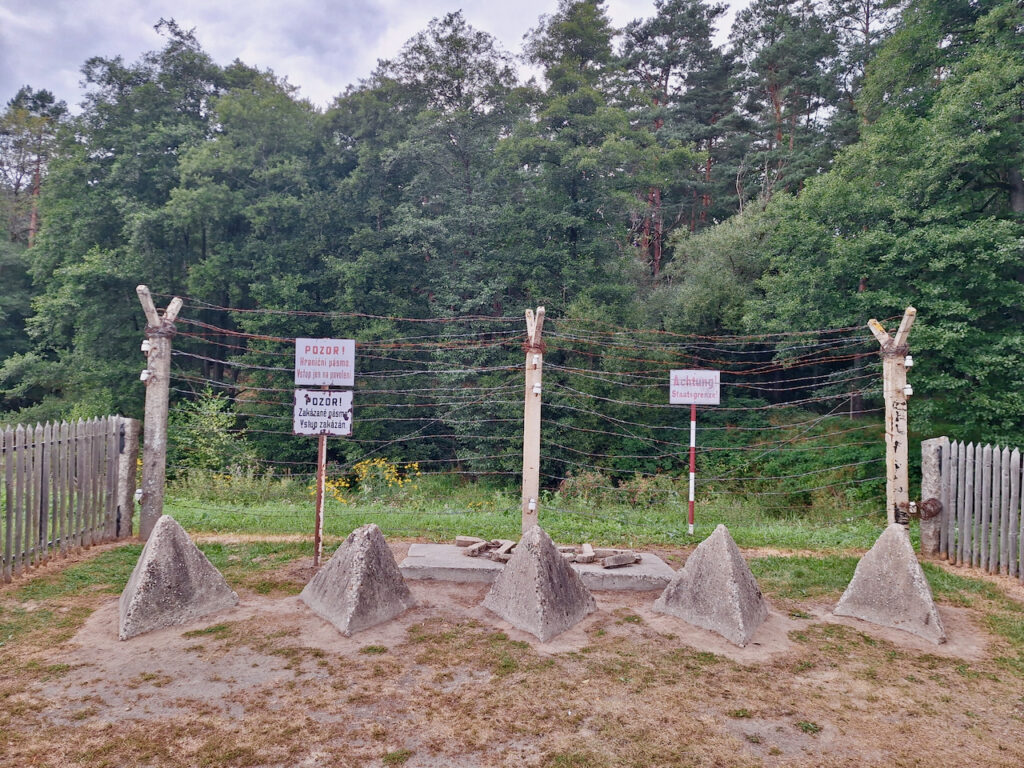
Curious things to see on the way are: the Černínská chapel (point 9), the lookout tower Rýdův kopec (point 13), the bakery Fouskova Koláčovna in Jindřichův Hradec (point 14), the self-service beer distributor – pivomat (point 15), the Iron Curtain Memorial (point 18), the wooden footbridge over the pond in Chlumec u Třeboně (point 26), and the Ludmila Museum of folk architecture (point 39).
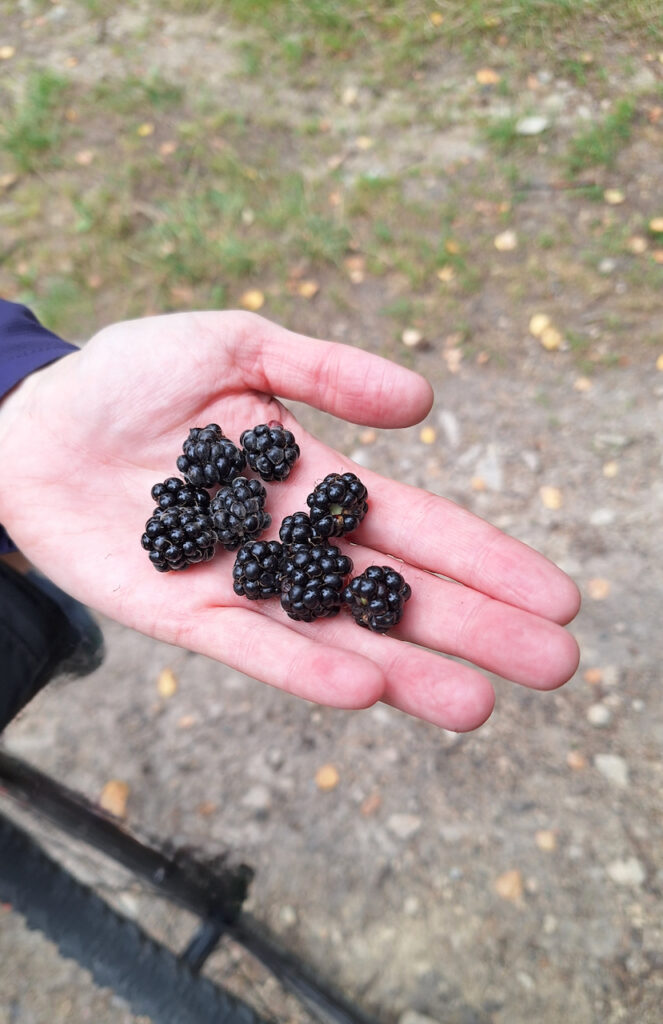
You will also see donkeys, horses, goats, and deers, and find a lot of blackberries and blueberries bushes on the way.