Reading Time: 3 minutes 4 seconds
General and historical info
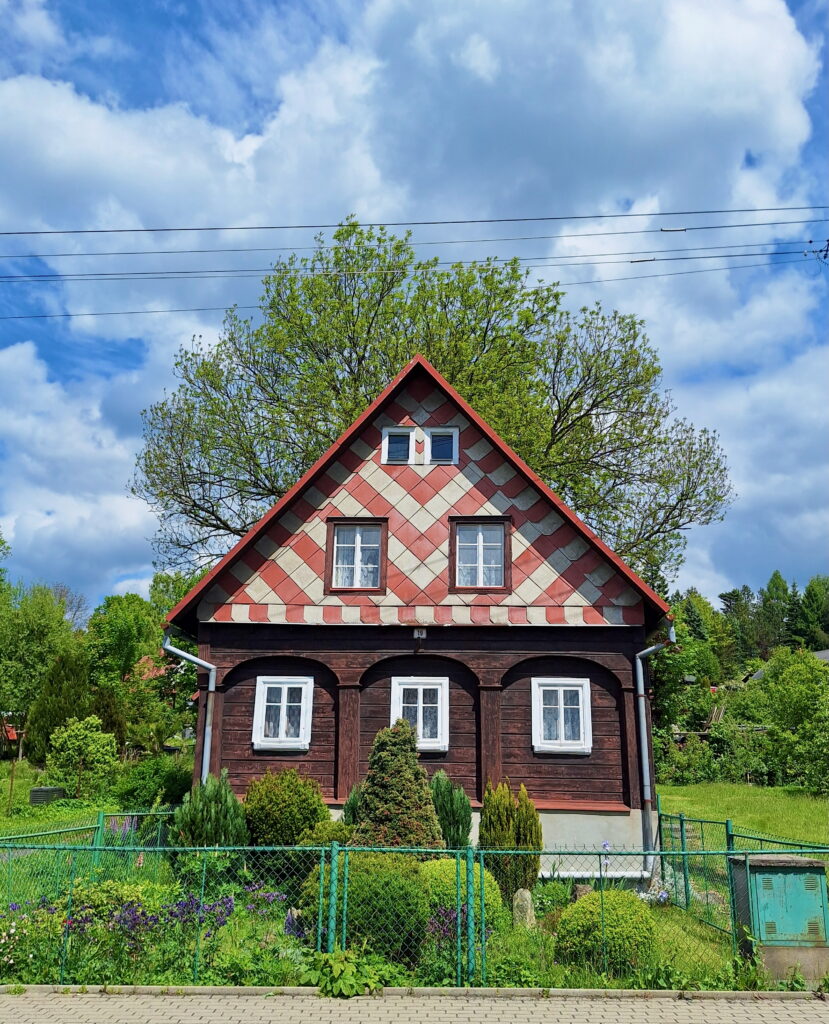
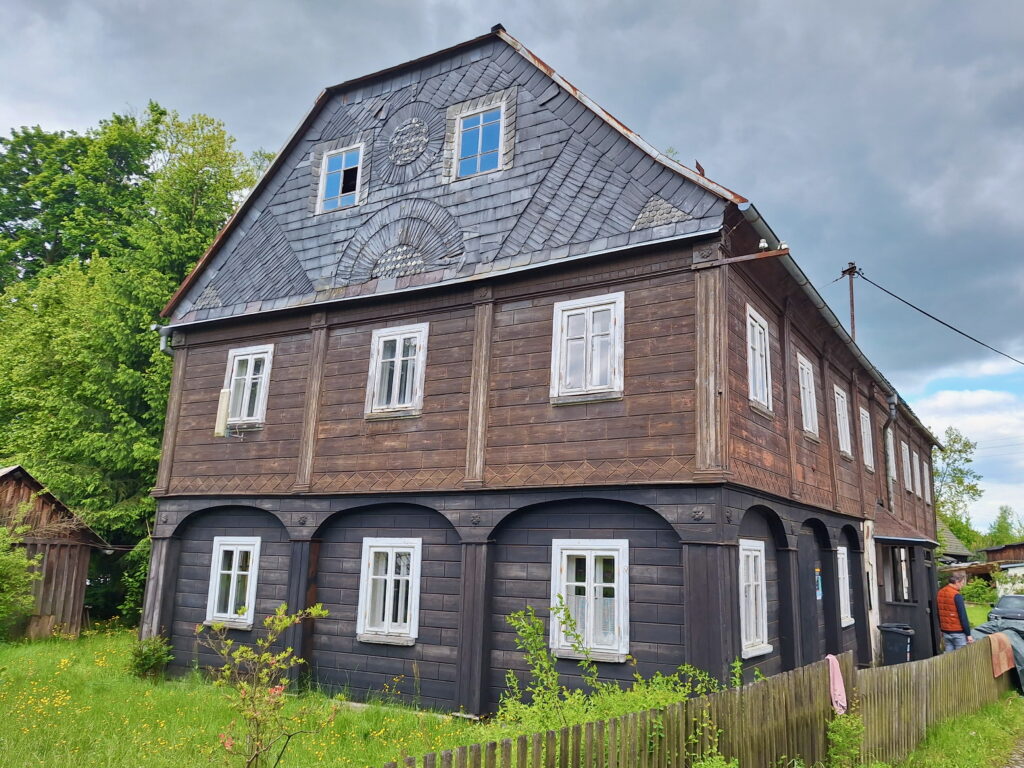
The Podstávkové domy, or just Podstávky, are distinctive half-timbered houses particularly common in the tri-border region of the Czech Republic, Germany, and Poland.
Simply put, a podstávkový dům is a structure made of wooden posts and logs that surround the timbered lower floor, supporting the roof or upper floor to reduce the load on the timbering.
The history of these charming half-timbered structures dates back to the Middle Ages, around the 13th century, significantly influenced by German immigrants.
These houses served more than just as dwellings; they functioned as homes, workshops, and farm buildings.
Over the centuries, they became thriving centers where local artisans practiced their crafts and engaged in trade.
Innovation during the 17th and 18th centuries contributed to growth and spread of the Podstávkové domy.
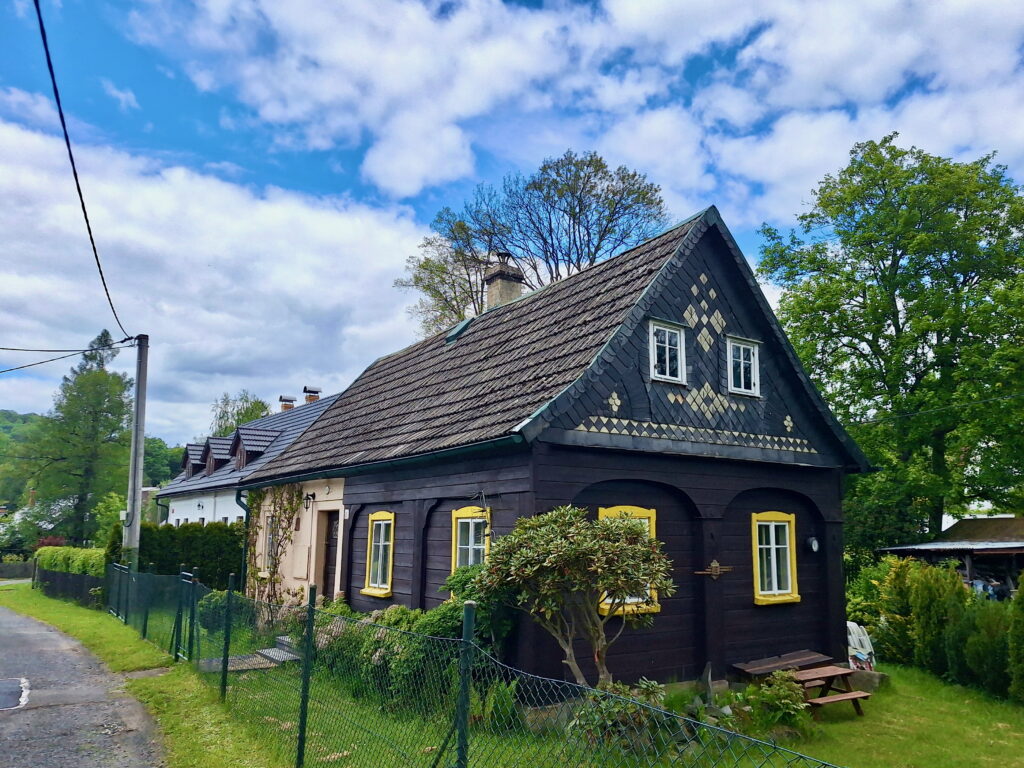
In the Lužické hory (Lusatian Mountains), you can find two distinct styles: the Upper Lusatian, inspired by German design, and the North Bohemian style, which typically features timbered upper floors.
With around 19,000 Podstávkové domy across the Czech Republic, Poland, and Germany, each possesses its unique identity.
Some are inhabited by families, while others serve as restaurants, guesthouses, or even information centers.
Many stand out as true masterpieces, showcasing the rich heritage of folk architecture and adding character to the landscape.
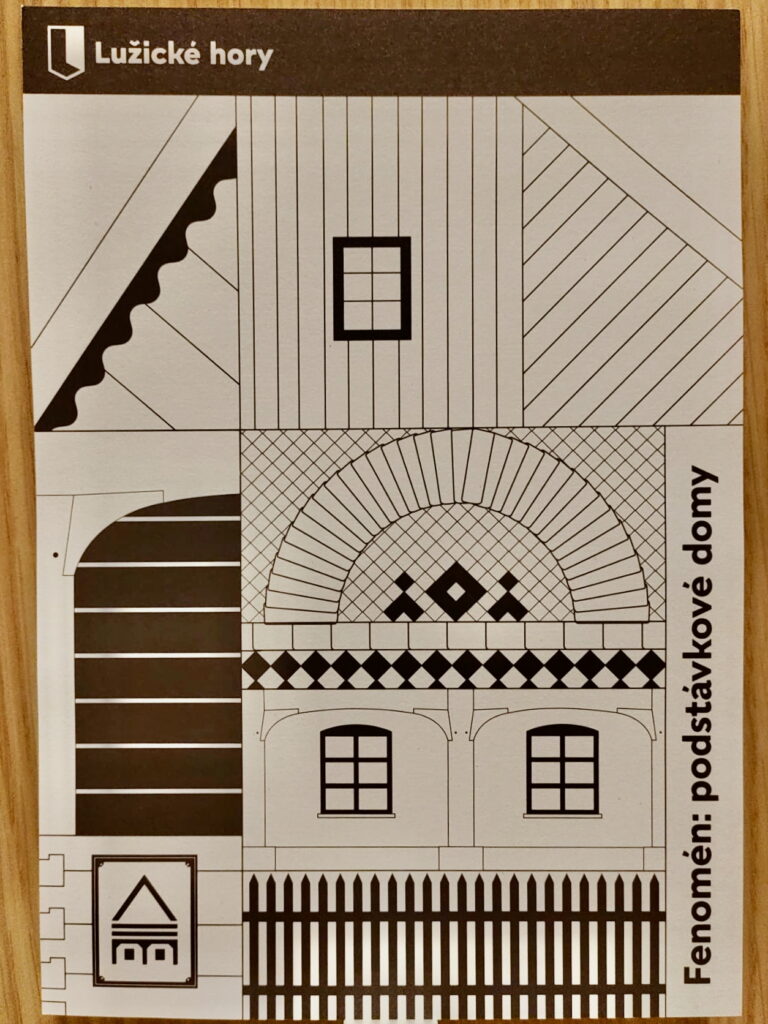
Architectonic details of the Podstávkové domy
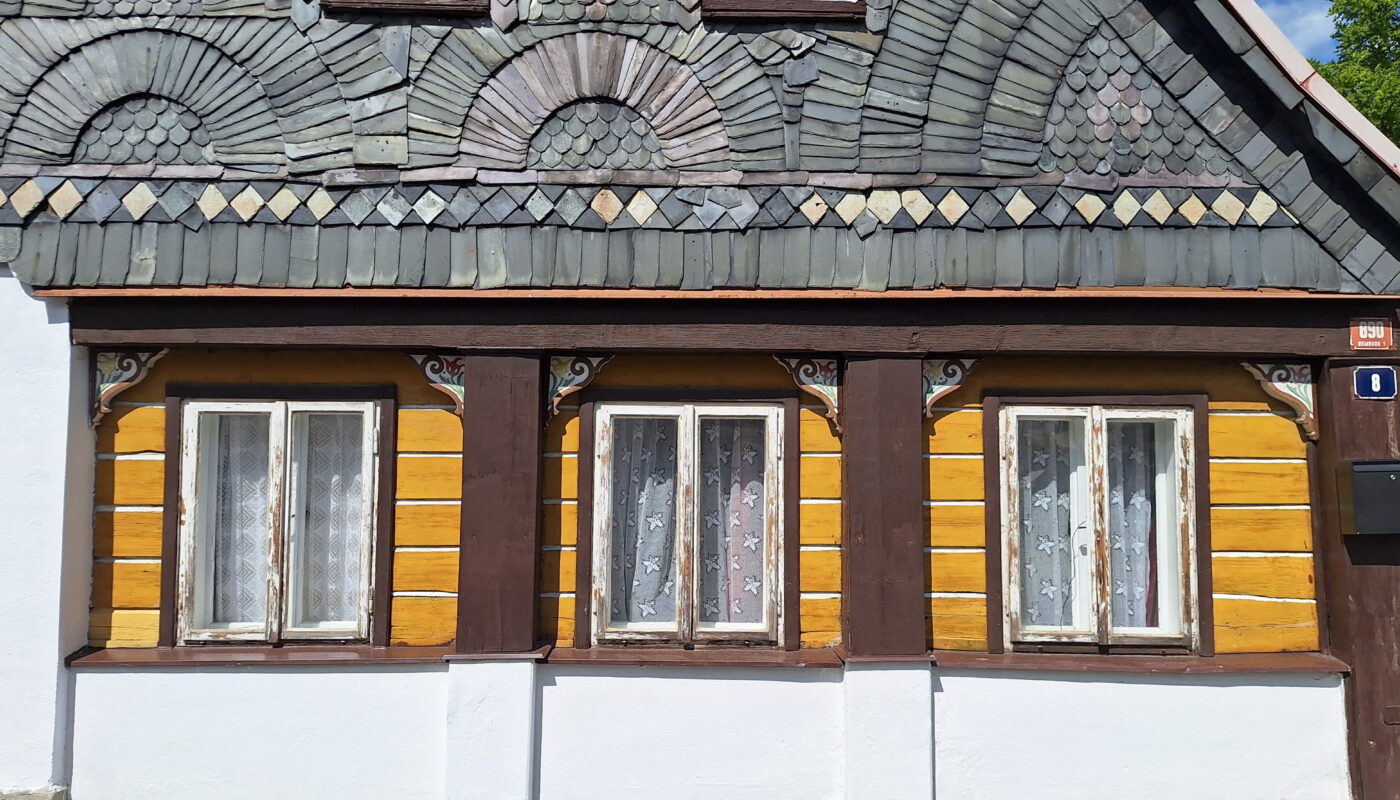
Podstávka refers to the elegant wooden arched structure that supports the weight of the roof or of the upper floor, ensuring the timber frame remains stable and does not deform.
Traditional components of these buildings are the porch and the gallery, which connects the upper floors.
Since the timbering consists of processed wooden beams stacked on top of each other and tends to shift with changes in humidity and temperature, ingenious carpentry techniques were employed to enhance both the practicality and aesthetics of these structures.
For instance, dovetail joints provide additional strength against severe weather and challenging soils, while the “hambálky” serve as stabilizing beams for the roof.
Additionally, the narrow gaps between the beams are filled with a mixture of clay and straw to provide insulation.
The podstávkové domy are usually oriented to the north to help slow the decay of the house and facilitate the replacement of old or rotting timber without risking the whole house to fall apart.
A distinctive element is the triangular or trapezoidal gable known as “lomenice”, often adorned with wooden or naturally colored stones.
The patterns and ornaments of the lomenice reflect the local history, with some featuring the date of construction or protective symbols designed to ward off evil spirits.
Another notable feature of the podstávkové domy is the Lusatian window, which consists of small window panes placed in the roof, to allow light to enter the attic.
If you are more curious about these structures, you can find many more details at the nice webpage on the Podstávky in the Lusatian Mountains.
The website is in Czech, but easily translatable.