

Reading Time: 3 Minutes 52 Seconds
Who is Vodník?
In Slavic folklore and culture, all the water sources (rivers, lakes, seas, etc…) were considered sacred and the cult of water reflects the Slavs’ profound reverence for this essential element.
Water bodies and water sources were often personified and associated with various water spirits, emphasizing their importance in both everyday life and spiritual practices.
For instance, rivers and lakes were commonly regarded as pathways for the souls of the deceased.
Vodník is a water spirit, or a water demon, typically portrayed as a man, and capable of transforming into a fish or a frog.
He is very powerful in the water and rules over aquatic animals, however he becomes weaker on land.
The usual representation of the Vodník features long green hair, at times a beard, and a mouth that looks like a catfish. Additionally, he also wears a hat, green clothing, and red shoes.
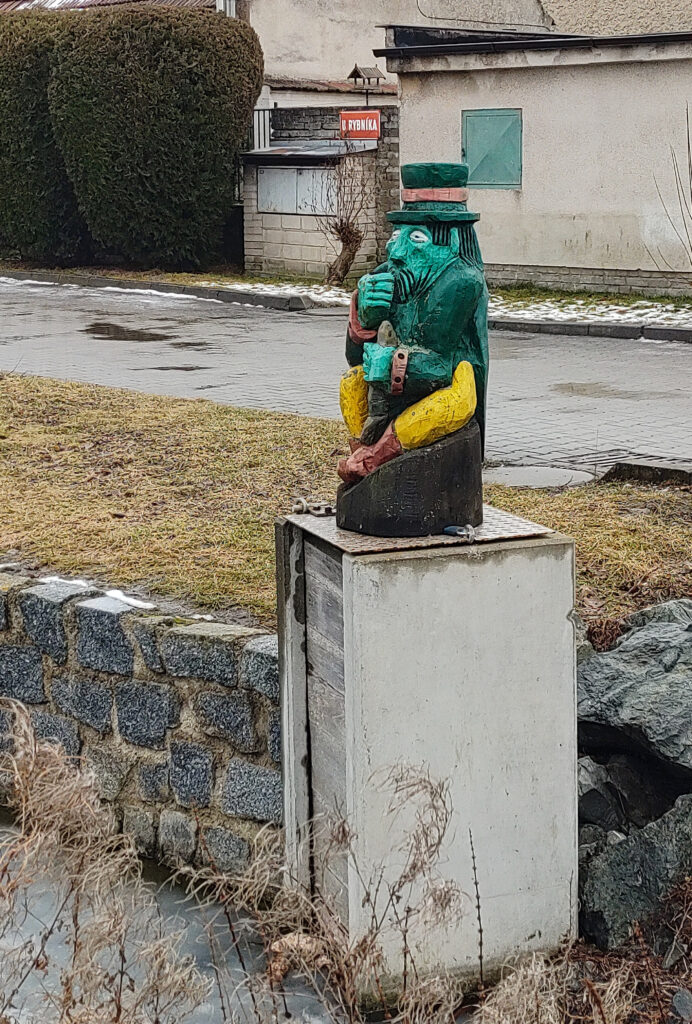
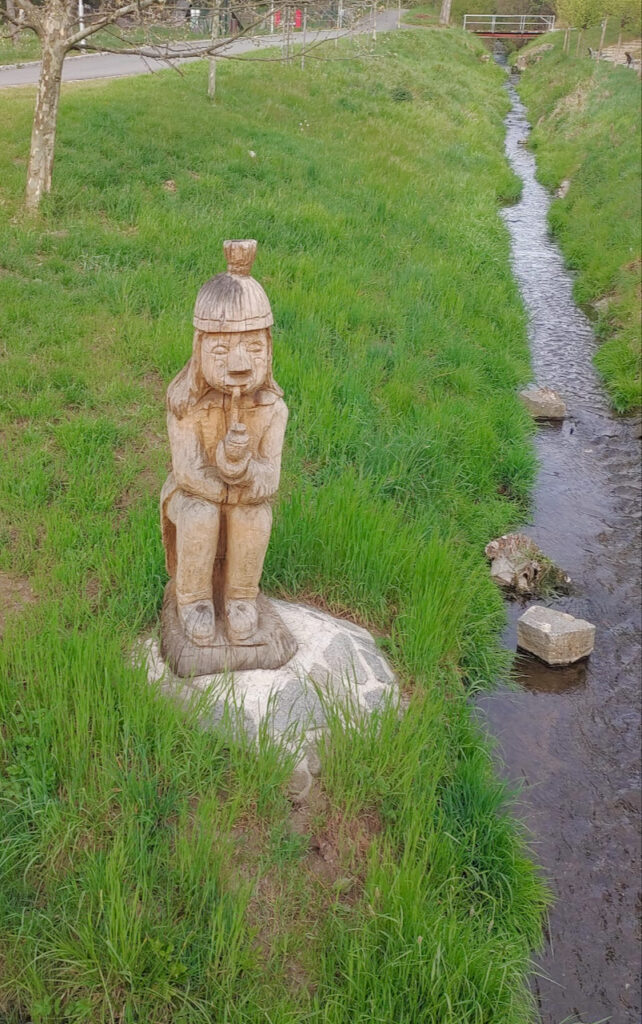
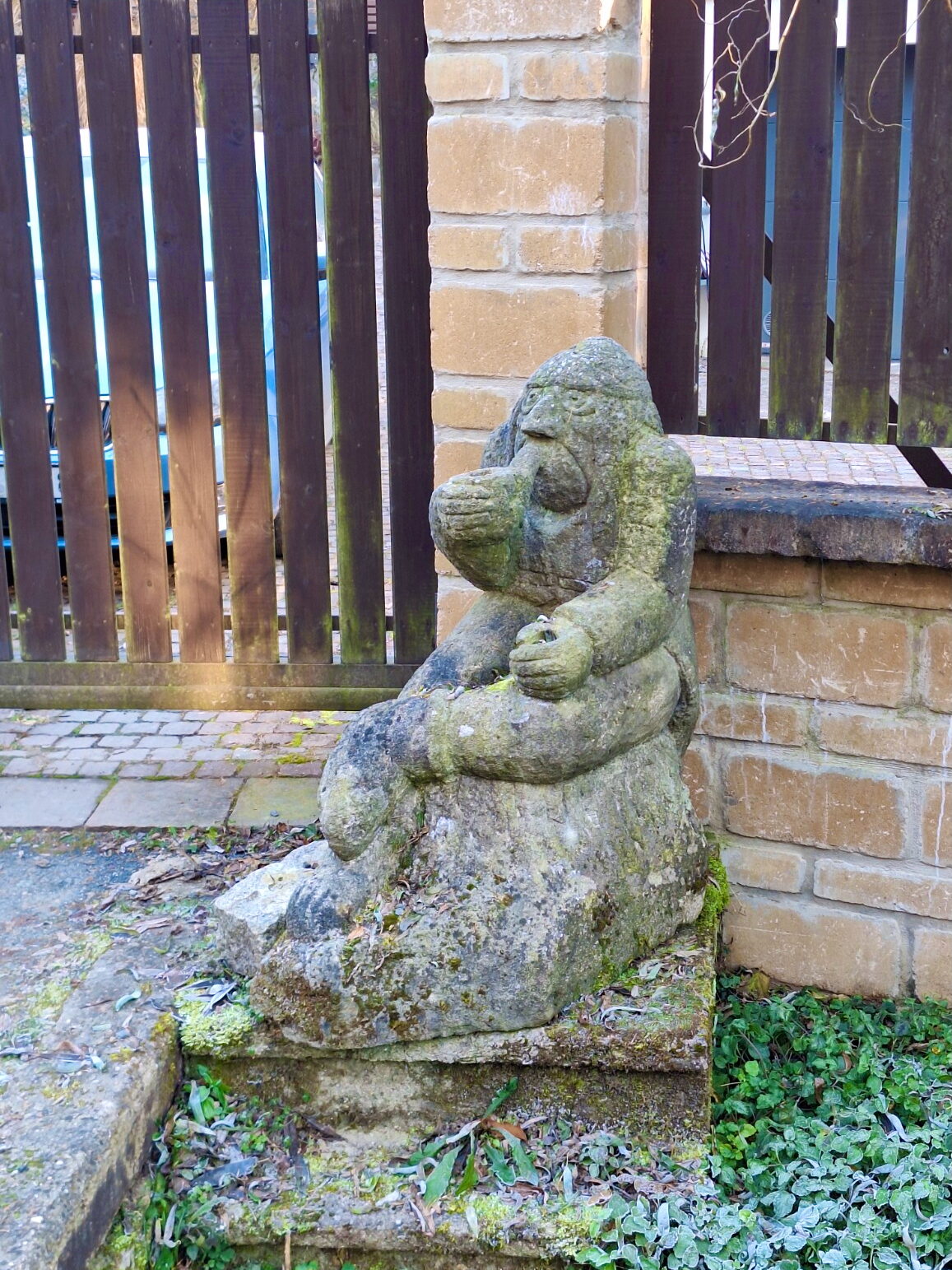
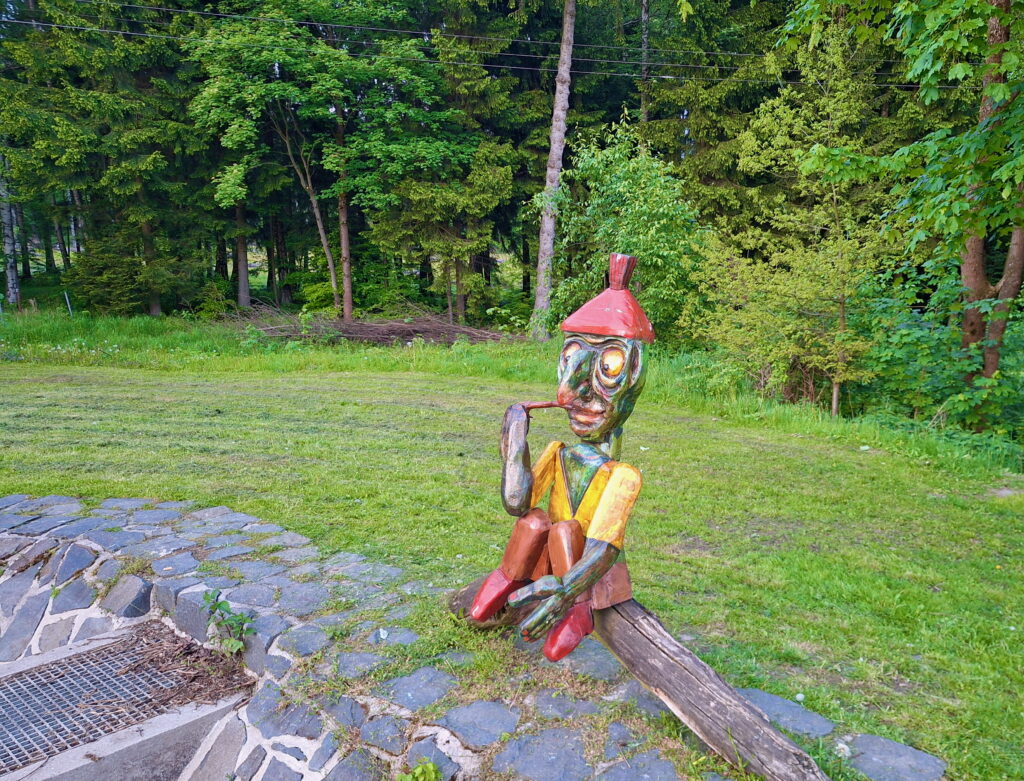
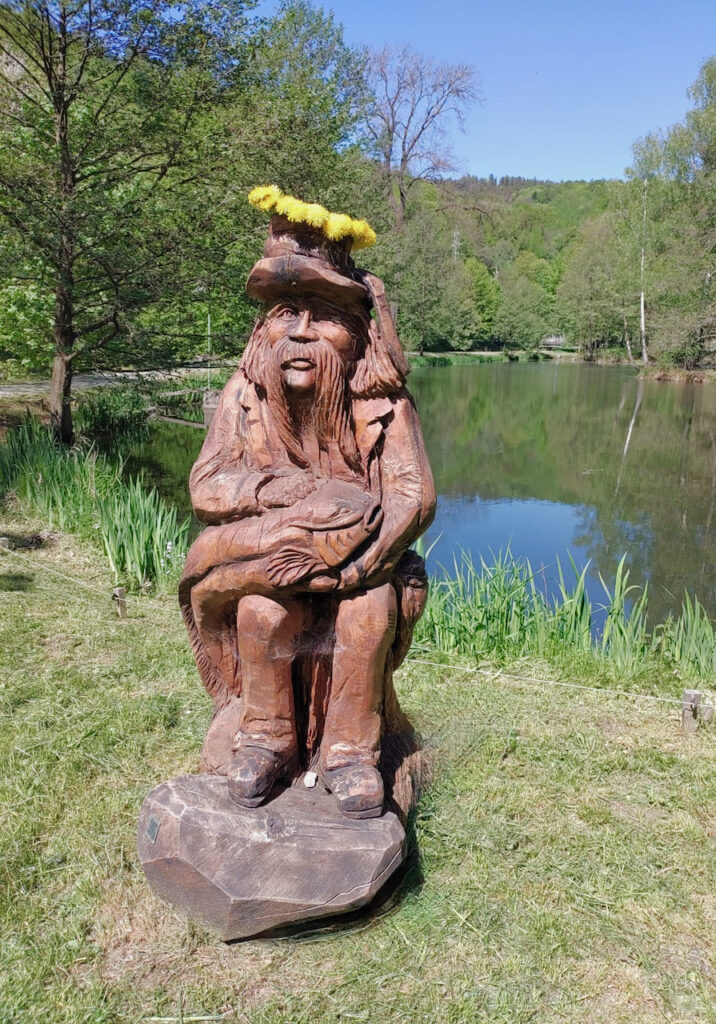
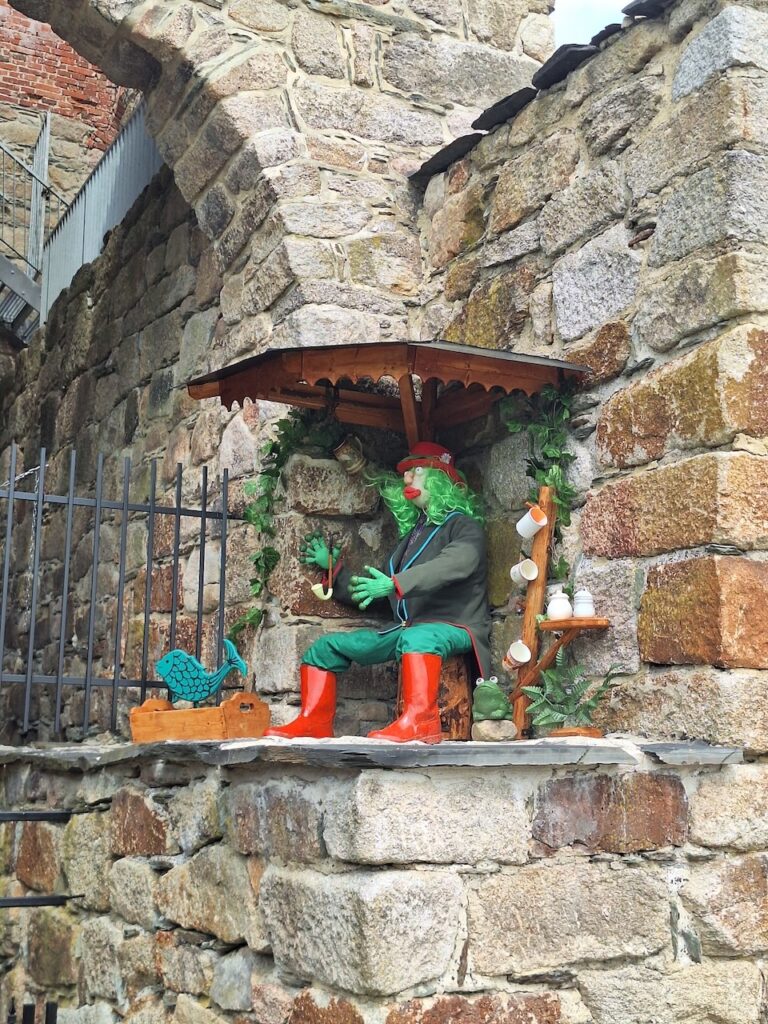
This supernatural being usually lives at the bottom of a pond, sometimes close to a water mill, where he has built a crystal castle.
He lures humans to the water with the intent of drowning them, and would often store the captured souls inside pots kept underwater.
Frequently spotted sitting at the water’s edge or on a stone nearby, he smokes a pipe and wears a coat that has a dripping tail.
Occasionally, he uses colorful ribbons to capture humans’ attention and spark curiosity.
Vodník in local culture
Vodník is known for his mischievous, stubborn, and cunning behavior: he scares fishermen, rips fishing nets, and wrecks river crossings.
Over time his character evolved from a malevolent, menacing figure into a more comical one.
Despite his playful and troublesome behavior, Vodník is deeply lonely and often talks to himself, revealing a longing for company.
In the 19th century Czech writer Karel Jaromír Erben wrote the poem “Vodník” (contained in his collection Kytice), which retells the tale of the Vodník in a simple yet powerful way: a water spirit who keeps drowned souls, falls in love with a human woman, and is destroyed by longing and by fate.
Erben’s poem transformed Vodník from a folkloric archetype into a literary symbol of loss, destiny, and of the boundary between people and nature.
Czech composer Antonín Dvořák interpreted Erben’s poem in a symphonic work.
The folk modes, sorrowful melodies, and vivid orchestration that characterize the “Vodník” symphony permeate Dvořák’s music, demonstrating how the Vodník myth transitioned from folk legend into art and music.
Today Vodník survives in literature and popular culture.
He appears in folk and fairy tales (ex. in Karel Čapek’s book “Nine Fairy Tales: And One More Thrown in for Good Measure”), cartoons (Vodník Čepeček), regional festivals, visual art (with Josef Lada), songs and theatre (in Alois Jirásek’s “Lucerna”), and serves as an emblem of the old reverence for water.
His continued presence in literature, music, and tradition underlines how a folkloric figure can evolve while remaining rooted in a community’s relationship with its waters.
